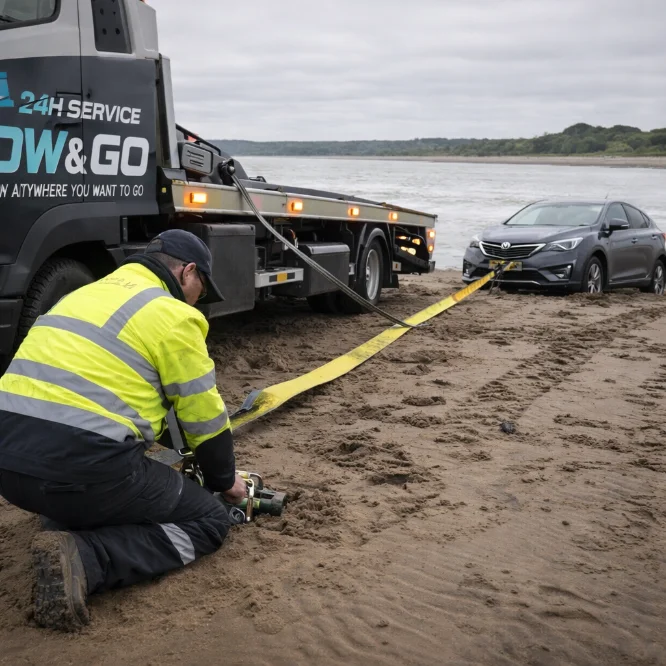
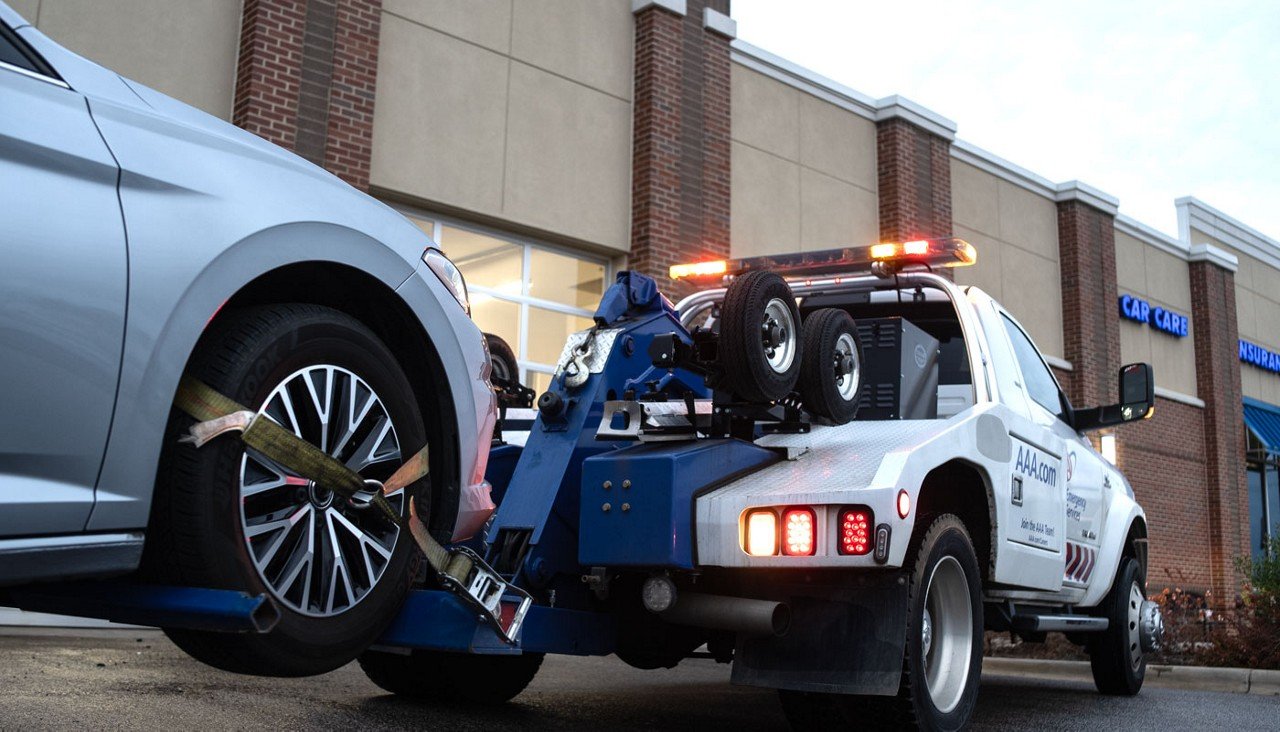
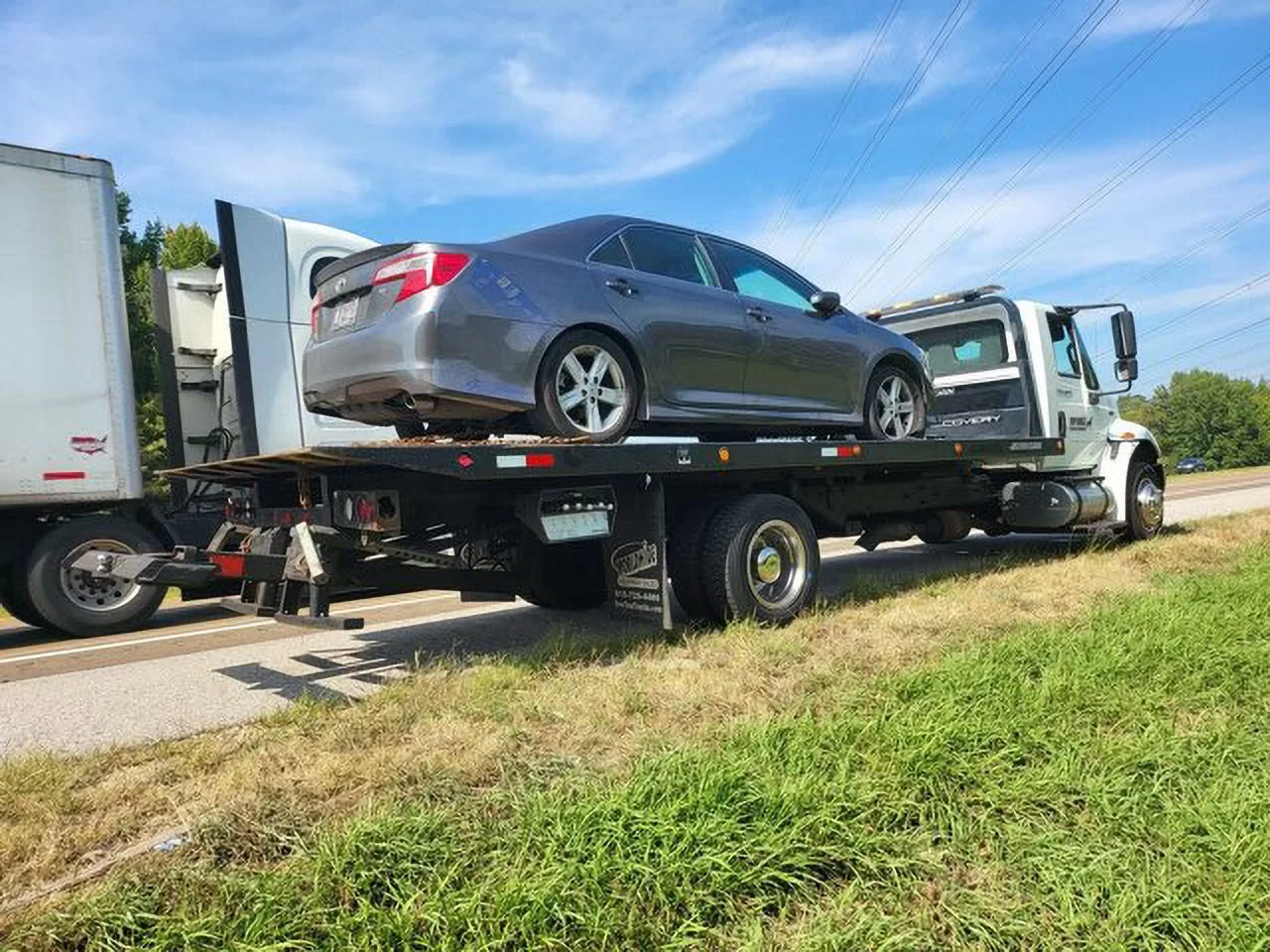
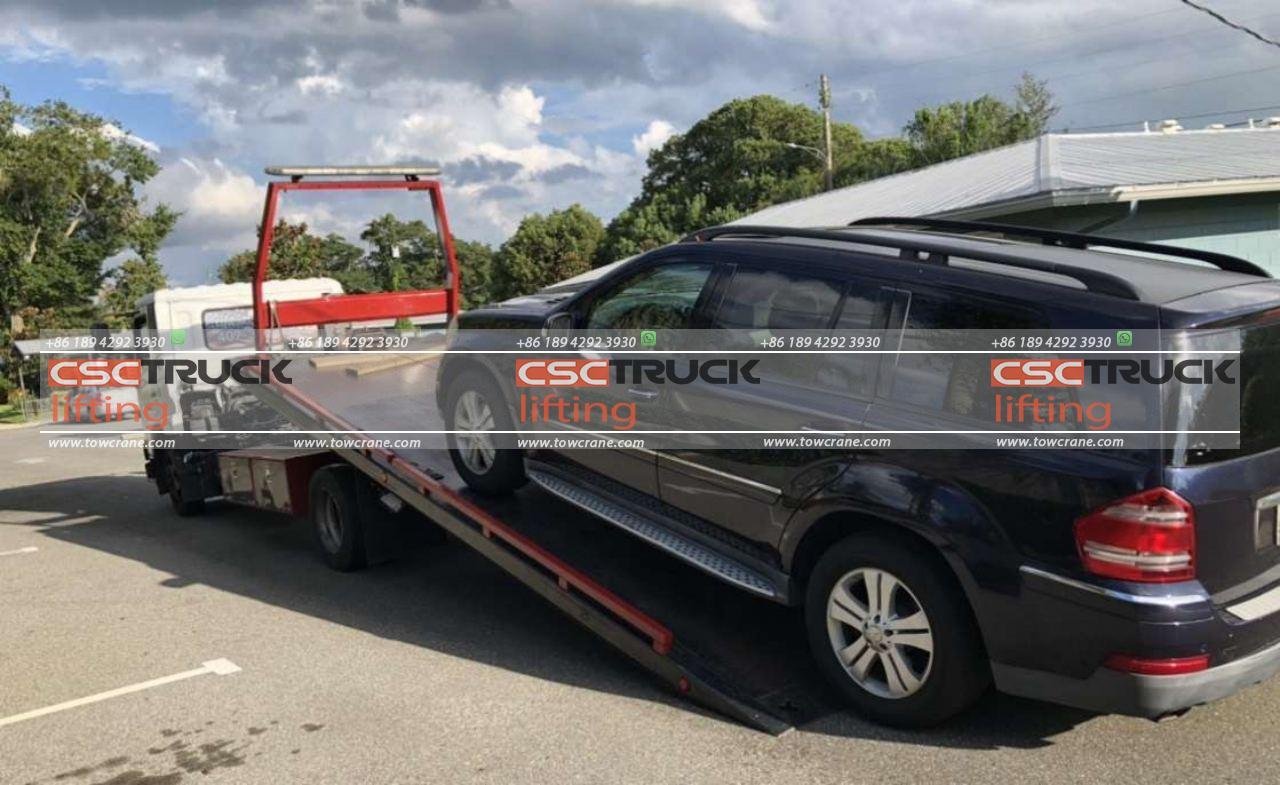
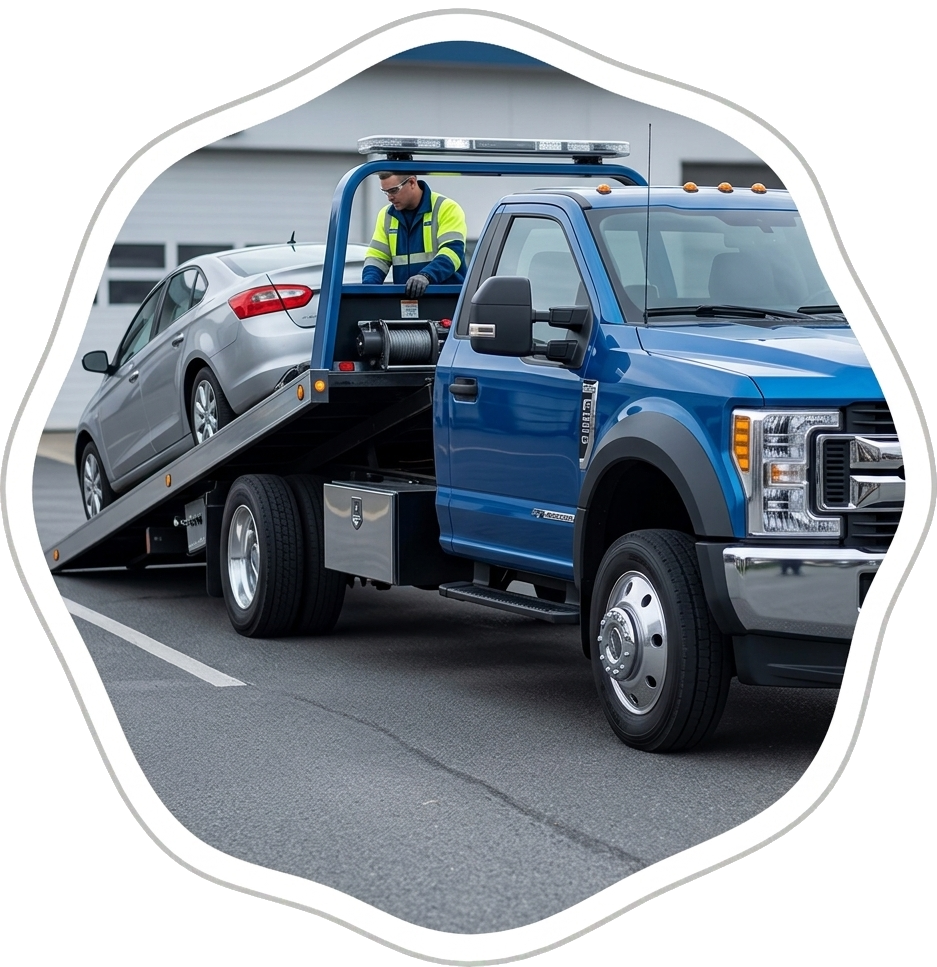
Transparent and fair pricing is the cornerstone of our service philosophy. Several key variables influence the final cost of roadside assistance and emergency towing within the Seattle metro area. First, the type of vehicle determines the equipment required; standard light-duty sedans are straightforward, whereas heavy-duty SUVs, electric vehicles (EVs requiring flatbeds to protect delicate drivetrains), and low-clearance sports cars require specialized handling and premium transport methods. Second, the complexity of the extraction plays a major role. Retrieving a car from a deep multi-level parking garage in downtown Seattle requires specialized low-profile tow vehicles and extra labor, which differs significantly from a standard hook-and-go on an open shoulder.
Distance is another standard metric; we charge a base hook-up fee plus a predictable per-mile rate for transport to your preferred repair shop or dealership. The timing of the dispatch also impacts pricing, as emergency services requested during peak holiday periods, late-night hours, or severe winter storms involve adjusted rates to support our on-call operators. Finally, additional services such as winching, wheel dollies, or complex recovery setups are calculated upfront. We are committed to absolute honesty in billing—meaning we will always provide a clear, comprehensive breakdown of estimated costs before our dispatch vehicles arrive, ensuring you face zero hidden fees or surprise surcharges during an already stressful day. Our rates reflect the high training of our operators and the premium safety equipment we deploy to protect your automotive investment.
When you are stranded on the side of the road, every minute feels like an eternity. Our standard arrival times across Seattle typically average between 20 to 45 minutes, though actual times can fluctuate based on real-time external conditions. Traffic density along major arterial routes like I-5, I-90, and the SR-520 bridge heavily dictates transit times, especially during the chaotic morning and evening rush hours. Weather is another significant factor; heavy rain, fog, or winter ice storms naturally slow down response times as our operators prioritize safe transit.
To combat these unpredictable variables, we utilize advanced GPS dispatch software that matches your breakdown location with the nearest available unit in our fleet. This dynamic routing allows our drivers to navigate around sudden accidents and construction zones efficiently. We also provide real-time tracking links directly to your smartphone, so you can watch our truck's progress in real-time. Our dispatchers maintain constant communication, providing updated arrival estimates so you are never left wondering when help will arrive. Your safety is our absolute priority, and we work tirelessly to minimize wait times.