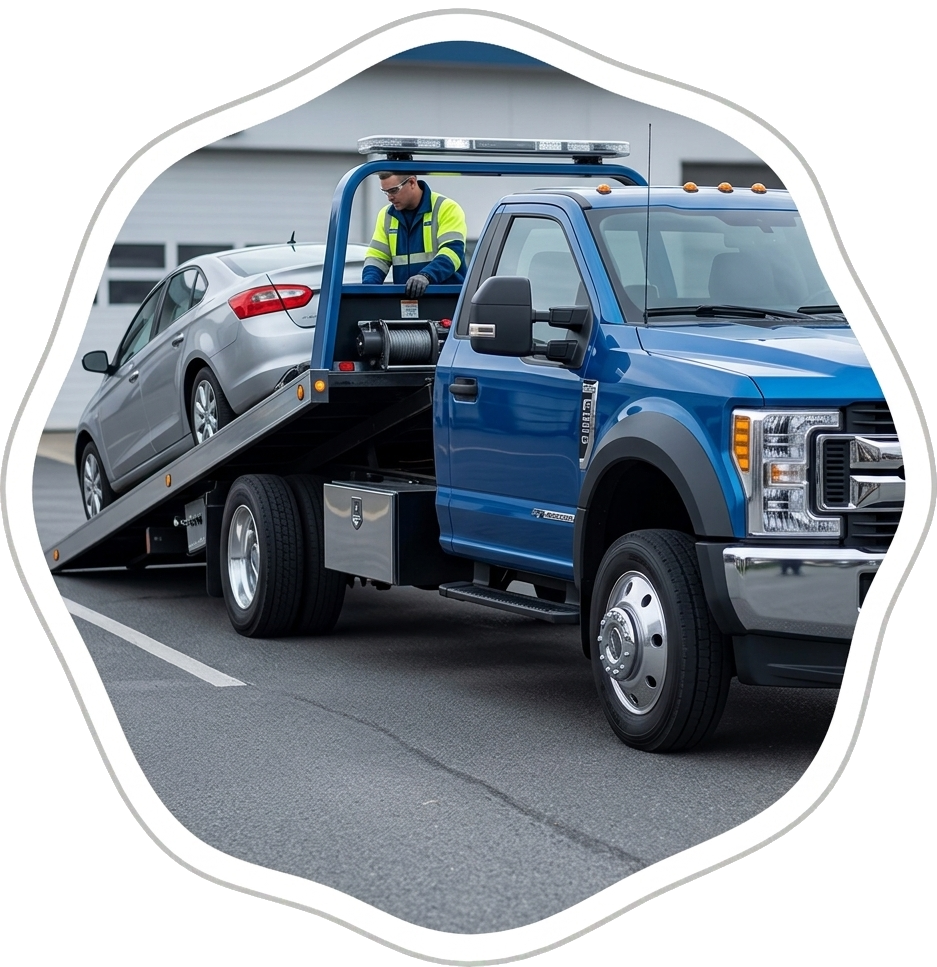
24/7 Jump Start Service in Seattle, WA
Dead car battery? Rain City Tow provides fast, reliable jump start assistance across Seattle 24 hours a day, 7 days a week. Call (206) 552-6250 for immediate help.
Service Overview
Mobile Jump-Start Assistance in Seattle
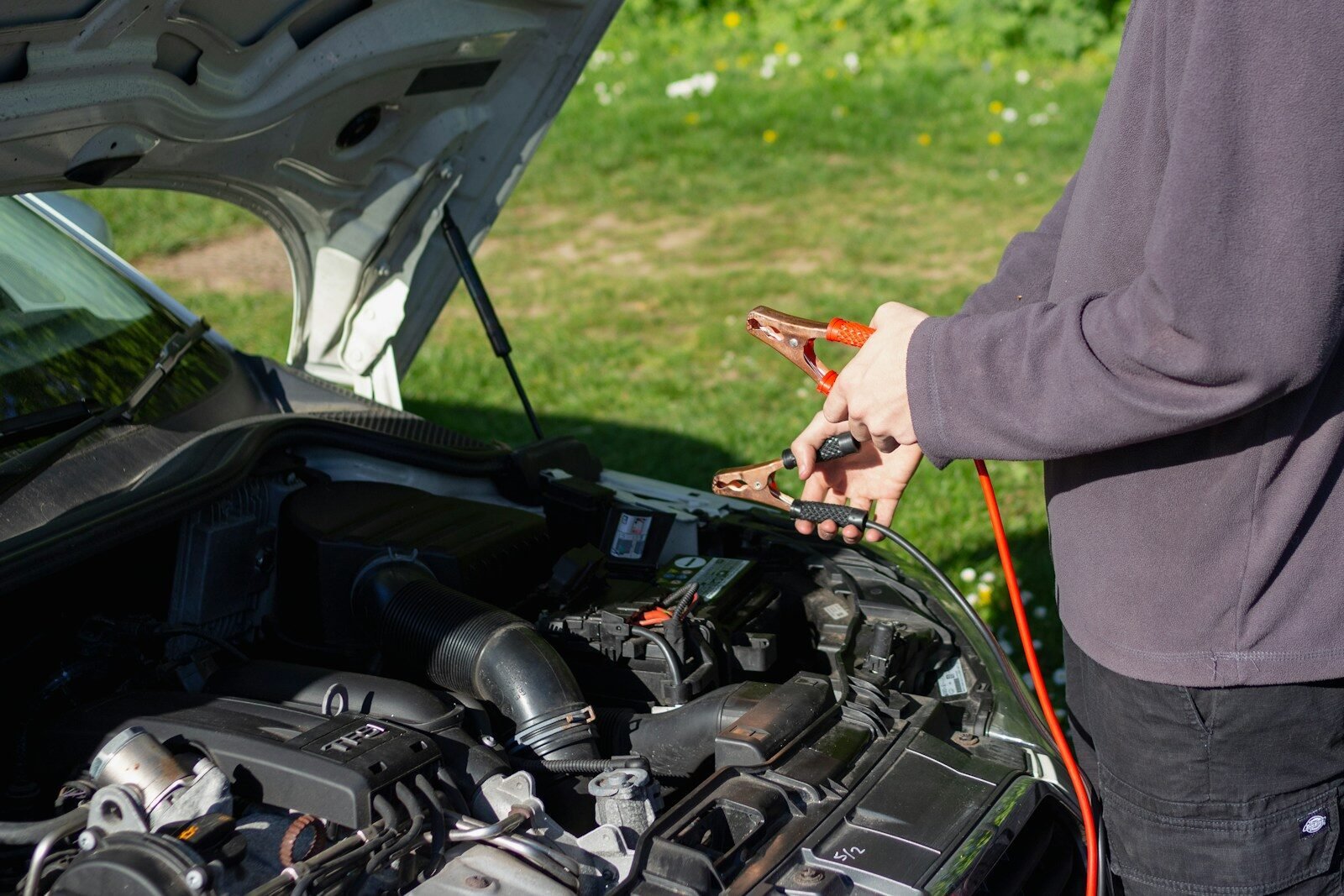
When your car refuses to start in the Rain City, a dead or depleted battery is often the culprit. Our professional mobile jump-start assistance in Seattle provides a rapid, reliable solution to get you back on the road. Please note that high-quality jump starts are designed specifically for low-voltage or discharged batteries; they will not resolve deeper mechanical issues, starter motor failures, or alternator problems. To ensure we deploy the right equipment and assistance, please have some key details ready when you call: your exact location in the Seattle metro area, the specific make and model of your vehicle, and any observable symptoms (such as rapid clicking sounds, dim dashboard lights, or a completely silent ignition). Our experienced roadside technicians are equipped with advanced portable power packs to safely revive your vehicle without risking damage to sensitive modern electronics.
SIGNS OF A WEAK OR DISCHARGED BATTERY
A weak battery rarely fails without warning. Recognizing these critical warning signs can save you from being stranded in Seattle's unpredictable weather. If you experience any of these common symptoms, it's time for a professional battery diagnostic or emergency roadside jump start.
SLOW CRANK & CLICKING
Slow cranking is the most classic indicator of battery depletion. If you turn your ignition and hear a sluggish, dragging start, your battery lacks sufficient cold cranking amps. Alternatively, a rapid clicking sound means the starter solenoid is cycling but lacks the robust current needed to turn the engine.
ELECTRICAL ISSUES
A dying battery struggles to support your vehicle's electronics. Watch out for dimming headlights, sluggish power windows, unexpected radio resets, or malfunctioning cabin lights. Your car prioritizes essential engine functions first, intentionally restricting power to comfort accessories.
THE STARTUP ILLUSION
Failure to start after sitting overnight is a clear warning. It is a dangerous myth that active dashboard lights guarantee a healthy battery. Powering minor console LEDs requires minimal amperage, whereas turning over a heavy cold engine demands massive starting current. Active lights do not mean you have enough power.
Common Reasons for Battery Discharge
Car batteries drain for logical chemical and mechanical reasons. While many Pacific Northwest drivers harbor the persistent myth that cold winter rain somehow 'drains' a battery, moisture alone won't empty its charge. Instead, tangible real-world factors interfere with your vehicle's starting capabilities.
- Human Error: Leaving headlamps, interior dome lights, or the radio active overnight.
- Extended Parking: Silent parasitic draws like security systems running down stationary batteries.
- Repeated Short Trips: Commutes under ten minutes prevent the alternator from restoring full charge.
- Corroded Contacts: Oxidized terminals resisting the massive current flow required to turn the starter.
- Sub-Freezing Stress: True cold slows internal chemical activity, slashing starting power by up to fifty percent.
If your battery has given up, a jump start is often the immediate cure, but diagnostic checks are essential. Rain City Tow provides professional testing to pinpoint the true cause and get you safely back on the move.
How Rain City Tow’s Jump-Start Service Works
When you're stranded in Seattle with a dead battery, Rain City Tow gets you back on the road fast. Our streamlined dispatch process ensures that professional help arrives with the right tools in record time. Here is what to expect from the moment you call to when your engine roars back to life.
The Step-by-Step Roadside Journey
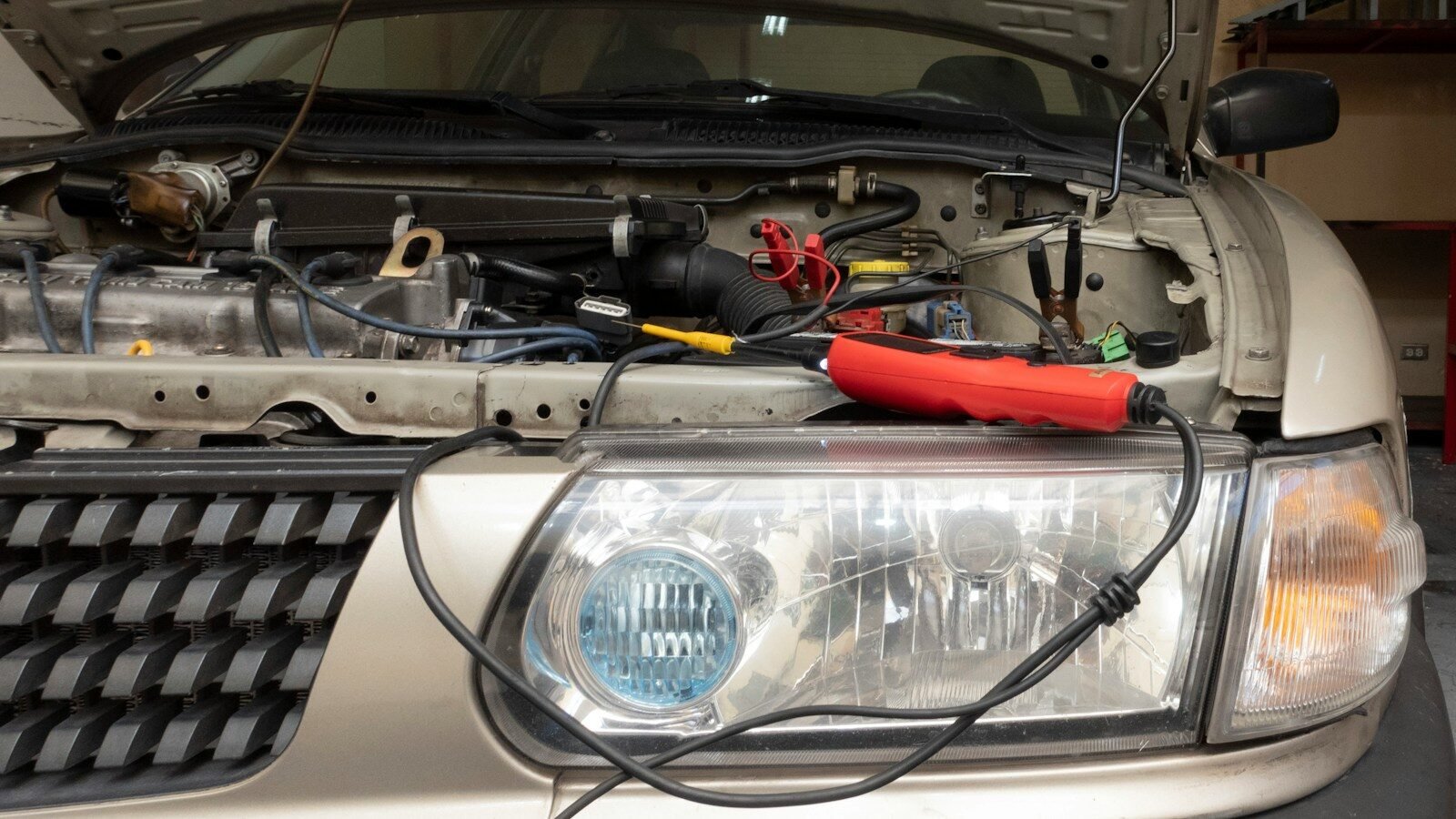
1. Instant Dispatch Connection: Call our local Seattle dispatch center. Our friendly coordinators register your emergency details immediately and route the nearest roadside vehicle. 2. Rapid Pro Route: Our technician navigates city traffic equipped with heavy-duty diagnostic gear, updating you on their progress so you're never left wondering. 3. Safe Diagnostic & Boost: We verify your battery health, handle terminal connections safely, and deliver a clean jump-start boost to ensure your vehicle charges efficiently before departure.
What We Need From You (Our Quick Checklist)
- Vehicle Year, Make, & Model (Helps us verify battery specifications)
- Fuel Type (Gas, Diesel, Hybrid, or EV to determine amperage needs)
- Exact GPS Location (Or recognizable nearby Seattle landmarks)
- Observed Battery Symptoms (Clicking sounds, dim lights, or total power loss)
- Site Access Details (Low-clearance parking garage, security gate, or tight alley)
Service Areas
Assistance at Home, Work, and Seattle Parking Locations
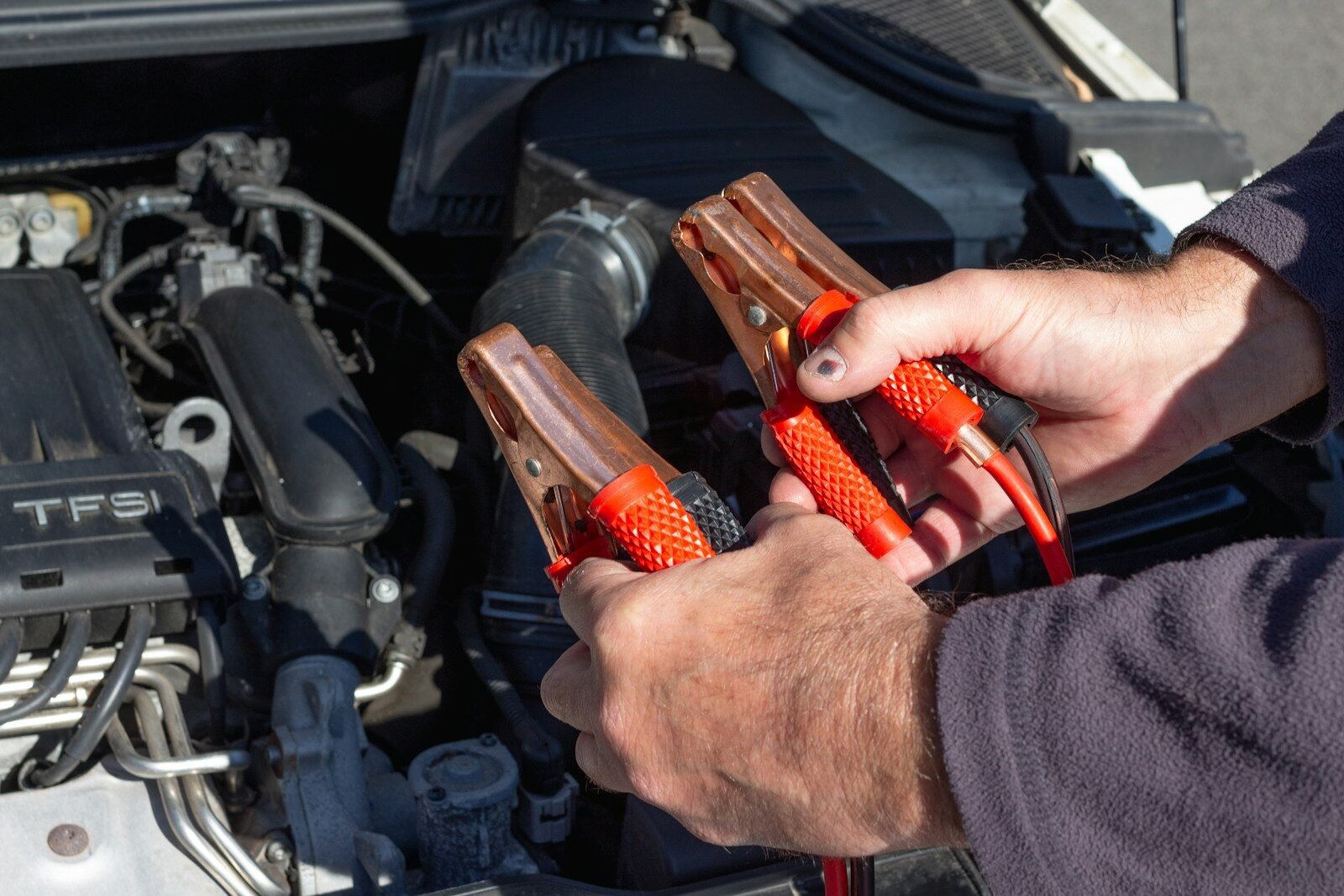
Dead batteries don't wait for convenient locations. Whether you are stuck in your home driveway in Ballard, at your office in Downtown Seattle, or parked near the bustling waterfront in Fremont, Rain City Tow delivers rapid jump start services right to your vehicle. We specialize in navigating the tightest spots across the Puget Sound region, ensuring you get back on the road safely and efficiently without unnecessary delays.
Seattle is famous for its multi-level parking garages and challenging architectural clearances. Our experienced operators are fully equipped to handle subterranean parking decks, low-clearance residential carports, and gated community access. We coordinate directly with building security or property management when gate codes or clearance validation are required. Our specialized compact service vehicles are designed to slip under low ceilings that standard tow trucks can't reach, ensuring we can jump-start your vehicle even on the deepest level of a downtown high-rise garage. From Greenwood to Capitol Hill, we've got you covered with dependable, fast roadside solutions.
Hybrids, EVs, and Vehicle-Specific Requirements
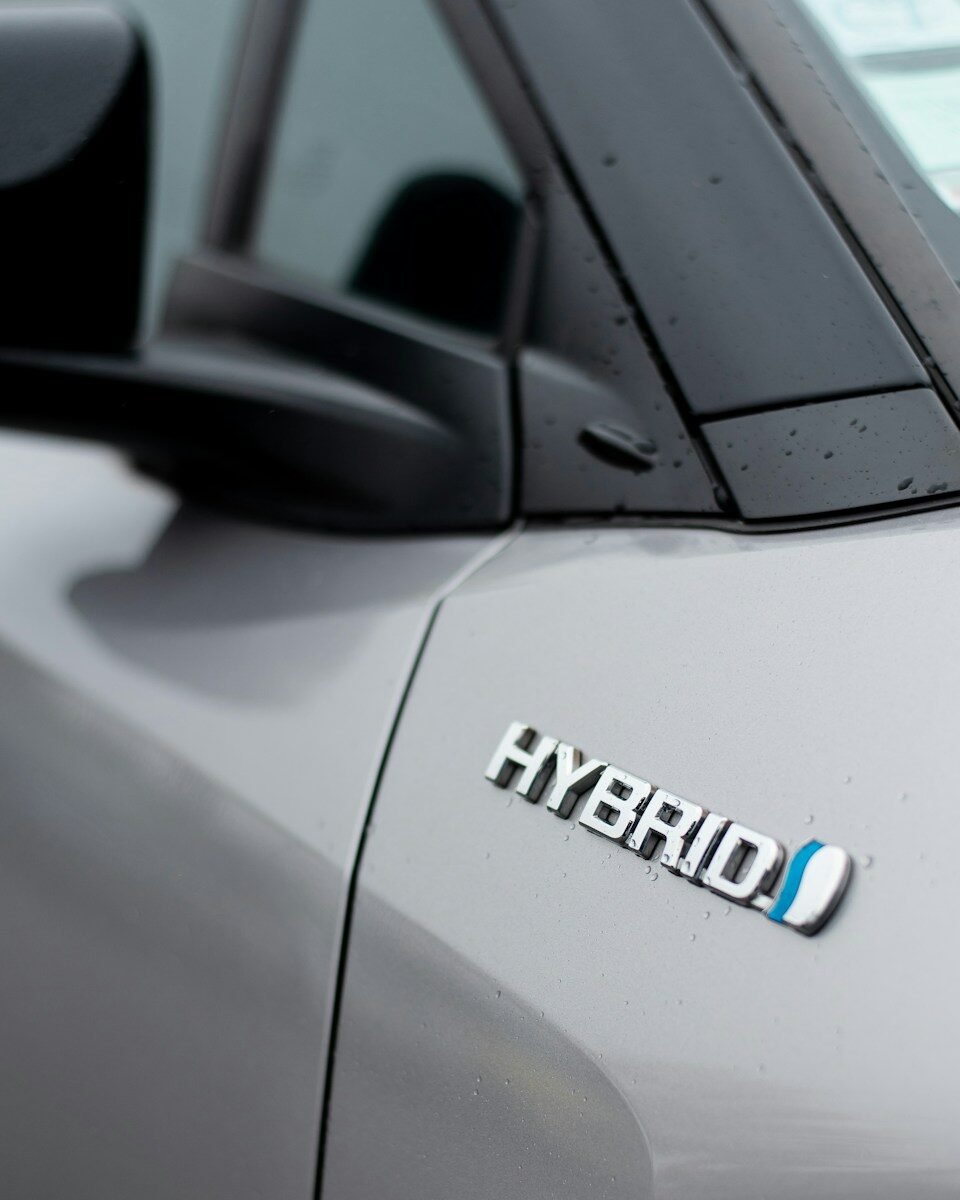
Modern hybrid and electric vehicles (EVs) utilize complex dual-battery architectures that demand highly specialized knowledge. When an EV or hybrid fails to power on, it is almost always the low-voltage auxiliary battery (typically a standard 12-volt unit) that has drained, rather than the high-voltage propulsion pack. This auxiliary battery is crucial, as it boots up the vehicle's onboard computers, active safety sensors, and relays that authorize and initialize the main high-voltage system.
While our professional roadside teams can safely jump-start this auxiliary battery to wake up your vehicle's computer, it is vital to understand that a traditional jump start does not add driving range or recharge the high-voltage drivetrain battery. If your main electric traction battery is entirely depleted, a jump start will not allow you to drive away; the vehicle will require safe flatbed towing to a local Seattle charging facility. Furthermore, modern EVs require strict adherence to manufacturer-specific procedures. Attempting to jump-start an EV without proper knowledge can permanently damage sensitive inverters and complex onboard electronics. Rain City Tow technicians are fully trained to isolate these distinct systems, locate precise OEM terminal points, and deliver safe, damage-free power to get your advanced vehicle moving securely.
Call EV Assistance NowWhen a Jump Start May Be Unsuitable
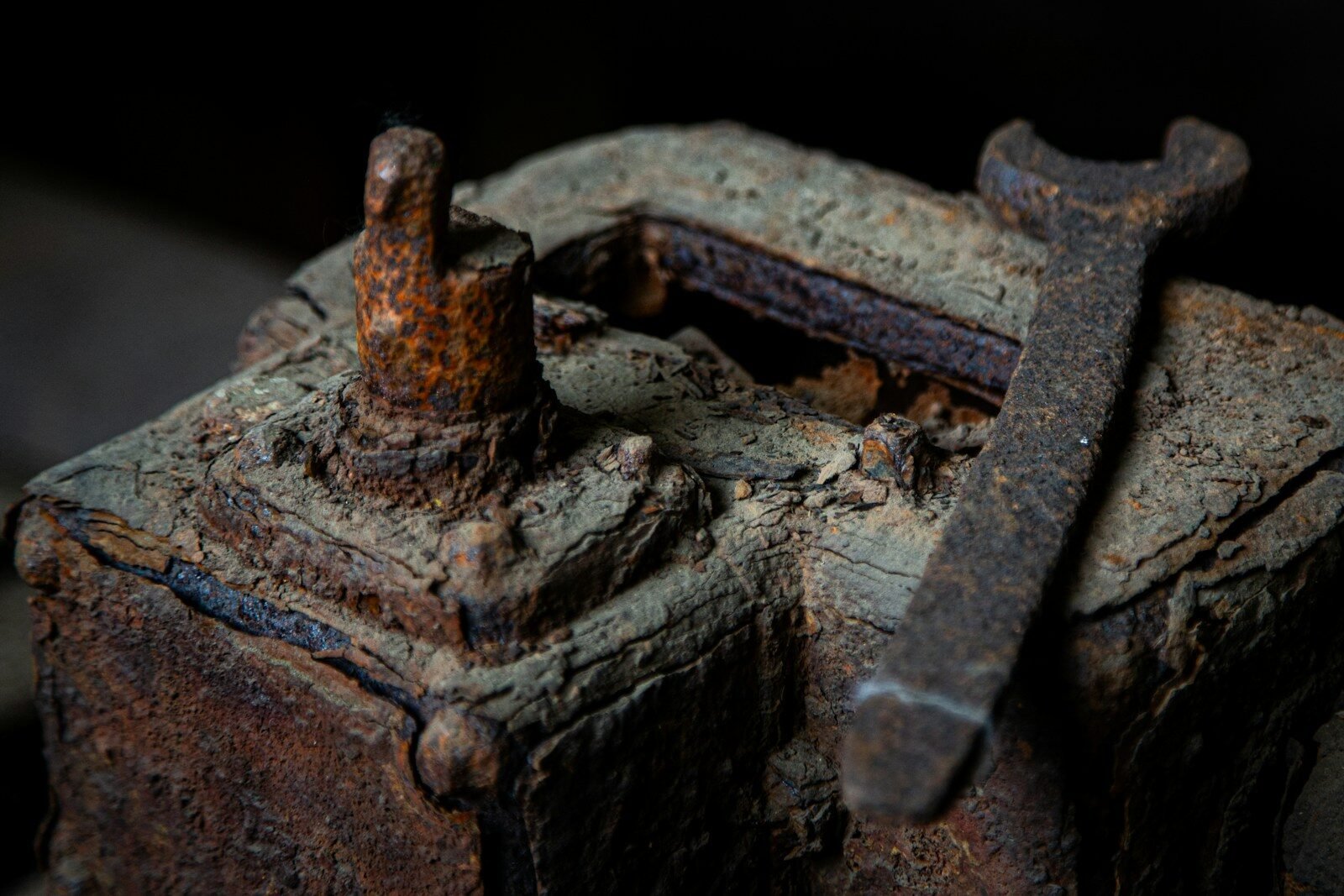
While a jump start is a quick fix for a drained battery, there are critical situations where attempting to boost a vehicle is highly dangerous. Before connecting any cables, a thorough visual inspection is vital. If the car battery shows visible physical damage, such as a cracked casing, leaks of highly corrosive battery acid, or noticeable bloating and swelling, a jump start should never be attempted. These signs indicate severe internal failure, and applying an electrical current can lead to catastrophic consequences, including dangerous chemical reactions, toxic smoke, or sudden explosions. Furthermore, frozen batteries—common in harsh winter conditions—must never be jumped, as the internal ice creates a high risk of structural rupture. If you detect smoke, active sparking, or a strong sulfurous smell resembling rotten eggs, immediately step back. These are clear indicators of thermal runaway or severe short-circuit hazards. Beyond the physical state of the battery, roadside danger is another major factor. Attempting a jump start on a busy highway shoulder with low visibility puts you at extreme risk of being struck by oncoming traffic. In all these high-risk scenarios, trying to jump the vehicle yourself is entirely unsuitable. The only secure solution is to call professional roadside assistance to safely tow your vehicle to a certified service center.
What to Do After a Successful Jump Start
Your engine is running, but your recovery journey has just begun. Follow these critical guidelines to ensure you don't get stranded again and keep your electrical system safe.
Battery Health vs. Recharge
Understand that a jump start is a temporary revival, not a permanent fix. If your battery drained due to a left-on light, a recharge will solve it. However, if it's a structural health issue, the battery lacks the chemical stability to maintain that charge and will fail again.
Recovery Time Factors
Keep your vehicle running for at least 30 to 45 minutes immediately after starting. The alternator needs consistent driving speeds to properly replenish the power cells. Avoid using power-heavy accessories like heated seats or stereos during this initial recovery phase.
Ventilation Warning
Never let your vehicle idle inside an enclosed space like a home garage while attempting to recharge the battery. Carbon monoxide is an invisible, odorless killer that builds up dangerously in minutes. Always ensure your vehicle is parked in an open, well-ventilated area.
Professional Evaluation Recommendation
Even if your vehicle feels perfectly fine after driving, a professional diagnostic test is highly recommended. Rain City Towing can evaluate your battery's current cold cranking amps (CCA) and voltage health to prevent the frustration of another dead engine tomorrow morning.
Request Battery Evaluation
Pricing, Arrival Estimates, and Unsuccessful Attempts
At Rain City Tow, we believe in complete transparency when it comes to pricing, arrival windows, and dispatch policies. Our baseline jump start rate is structured to offer premium, reliable service throughout the greater Seattle metro area. However, several critical real-world factors influence the final cost and estimated time of arrival (ETA). These key factors include your precise physical location (such as distance from our central dispatch hubs), the specific make and model of your vehicle, the accessibility of the battery terminal (for instance, if your car is nose-in inside a tight parking garage), and the time of day or night. To maintain a reliable fleet of emergency operators ready to assist drivers, we implement a dispatch and attempt fee. Roadside assistance requires real-time routing, fuel, and the commitment of an expert technician to your location. If our specialist arrives and is unable to successfully jump start your vehicle due to underlying mechanical issues—such as a seized alternator, damaged starter motor, or completely dead cell block that cannot accept a charge—the dispatch attempt fee still applies. This fee offsets the specialized equipment wear, operator time, and rapid mobilization of our response vehicle. We encourage customers to provide detailed information about their car's behavior prior to dispatch to help us diagnose the issue early and ensure the highest chance of a successful roadside recovery.
Is Rain City Tow jump start service available 24/7?
Yes, Rain City Tow operates 24 hours a day, 7 days a week, including all major holidays. We understand that battery failures occur at the most inconvenient times, whether it is a late-night shift change or early morning commute. Our dedicated Seattle dispatch team and roadside operators are always ready to respond to your call.
How soon will a technician arrive at my location?
Our average response time across the Seattle area is typically between 30 to 45 minutes, depending heavily on traffic conditions, weather, and current service demand. When you confirm your dispatch, our team will provide a real-time tracking link and a highly accurate estimated time of arrival so you know exactly when to expect us.
How much does a professional jump start cost?
Our standard jump start services begin at a competitive base rate, which covers local transit and the jump attempt. The final cost may vary slightly based on your vehicle's location, ease of terminal access, and complex electrical needs. We always provide a clear, upfront quote before sending our technician to your location.
What happens if the jump start is unsuccessful?
If your vehicle fails to start because of a deeper mechanical issue like a broken starter or failed alternator, our dispatch and service attempt fee is still required. This covers the technician's time, fuel, and diagnostic assessment. In these cases, we can quickly arrange towing services to your preferred local repair shop.
Can you jump start my car at home or at my workplace?
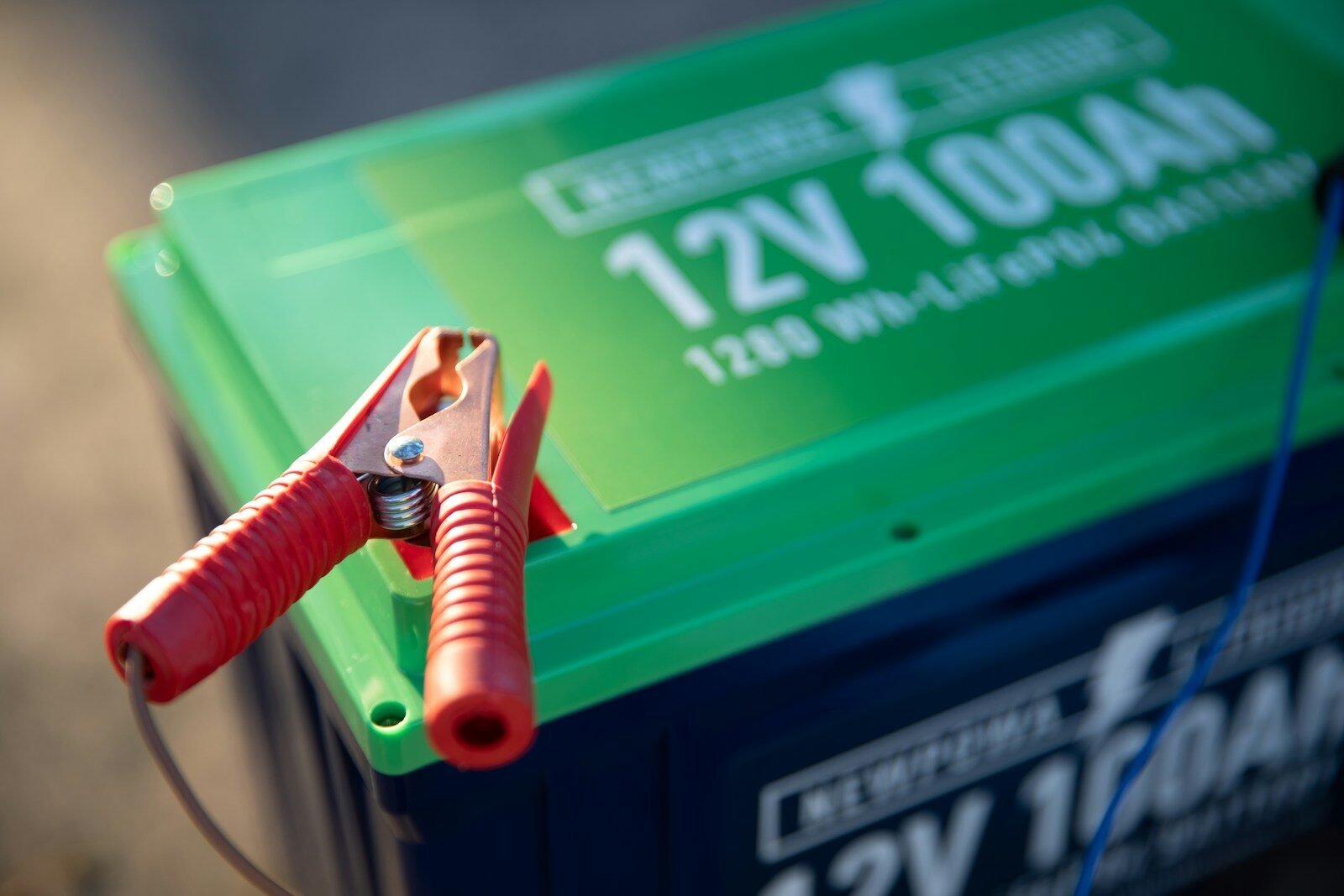
Absolutely. We frequently perform battery jump starts in residential driveways, corporate office parking lots, retail centers, and roadside shoulders. Our mobile units are fully equipped with compact, ultra-powerful portable jump packs, allowing us to service your vehicle safely wherever it is currently parked without needing another vehicle nose-to-nose.
Are you able to service vehicles parked inside low-clearance garages?
Yes, parking garages are no obstacle for our technicians. Traditional tow trucks cannot easily access low-clearance parking structures, but our operators carry professional-grade, portable lithium-ion jump packs. We can easily walk directly to your vehicle's parking stall on any level of the garage and initiate the jump start safely and efficiently.
I accidentally left my lights on. Will a jump start fix it?
Leaving your headlights, dome lights, or accessories turned on is the most common cause of a drained battery. If this is the reason your vehicle won't start, a standard professional jump start will almost certainly resolve the issue immediately, allowing your alternator to recharge the battery as you drive.
My car makes a rapid clicking noise when turning the key. Is the battery dead?
A rapid clicking noise when turning the key or pushing the start button usually indicates a battery that has dropped below the minimum voltage required to engage the starter motor. A professional jump start provides the necessary boost of electrical current to bypass this low voltage state and successfully crank the engine.
The dashboard lights turn on, but the engine won't crank. Why?
If your dashboard lights illuminate or flicker but the engine fails to crank, your battery likely has just enough residual surface charge to power low-draw electronics, but lacks the cold cranking amps needed to turn over the engine. Our high-amperage jump start equipment will easily supply the power needed to start.
Can you safely jump start hybrid vehicles?
Yes, we safely jump start hybrid vehicles. Hybrid cars feature a standard 12-volt auxiliary battery that powers the computer systems and starts the hybrid drivetrain, alongside the large high-voltage traction battery. If this 12-volt battery dies, the vehicle will not boot up. We follow manufacturer-specific protocols to jump it safely.
Is it possible to jump start an electric vehicle (EV)?
Electric vehicles (EVs) still utilize a traditional 12-volt battery to power vital onboard electronics, door locks, safety systems, and main contactors. If this 12-volt system drains completely, your EV will remain unresponsive. Our technicians are specially trained to safely jump start the 12-volt auxiliary battery on all major EV models.
Will jumping an EV's 12V battery recharge its primary driving range?
No, jumping the 12-volt auxiliary battery will not charge or extend the range of your primary high-voltage traction battery. The jump start only restores power to the vehicle's secondary electrical control systems so that the car can power on. If your main traction battery is empty, the vehicle must be towed to a charger.
Are there circumstances where a battery should not be jump started?
You should never attempt to jump start a battery that is physically swollen, cracked, leaking acid, or frozen. Jumping a damaged or physically compromised battery can lead to dangerous thermal runaway or battery explosion. If our technician identifies physical damage during inspection, we will recommend immediate replacement and towing instead.
Do I need to be present with my keys for the service?
For liability and safety reasons, we require the vehicle owner or an authorized representative to be present with the keys and valid identification during the service. This ensures we have authorized access to the vehicle cabin and engine bay, and can safely coordinate the starting procedure with you.
How long does the physical jump start process take?
Once our technician hooks up the heavy-duty jump equipment, the actual engine start is usually instantaneous. In cases where the battery is deeply discharged, we may leave our power source connected for 3 to 5 minutes to feed a base charge into your battery before attempting to crank the engine.
What should I do immediately after my car successfully starts?
After a successful jump start, you must keep the engine running continuously for at least 30 to 45 minutes. Driving the vehicle is highly recommended, as it allows the alternator to spin at higher RPMs and deliver a faster, more efficient charge back to the depleted battery than simply idling.
What if my engine stalls immediately after the jump equipment is disconnected?
If your vehicle dies immediately after we disconnect the jump pack or stalls shortly after starting, it typically points to a failing alternator that is unable to generate enough power to run the engine and recharge the battery. If this occurs, we can arrange for an immediate tow to a mechanic.
Do you offer battery testing and replacement services on site?
Yes, our technicians carry advanced battery and alternator system diagnostic testers. We can analyze your battery's overall health and voltage output post-start to determine if it is simply discharged or needs complete replacement. If it is permanently dead, we can advise you on immediate replacement options.
Our Towing and Roadside Services
Professional, fast-response towing and roadside assistance across the Seattle area. Available 24 hours a day, 7 days a week.
Emergency Towing
Flatbed Towing
Long-Distance Towing & Vehicle Transport
Jump Start Service
Car Lockout Assistance
Winch-Out & Vehicle Recovery
Spare Tire Replacement
Fuel Delivery
Jump Start Service in Nearby Seattle Neighborhoods
Rain City Tow provides rapid, professional roadside battery jump starts across these Seattle communities 24/7.